The Ultimate Guide to Drywall Installation in Minneapolis

Understanding Drywall Basics
Drywall is a popular building material used to create walls and ceilings. It’s known for its durability, ease of installation, and affordability. For homeowners in Minneapolis planning a renovation or new construction, understanding drywall is crucial to achieving a professional finish.
Essential Tools and Materials
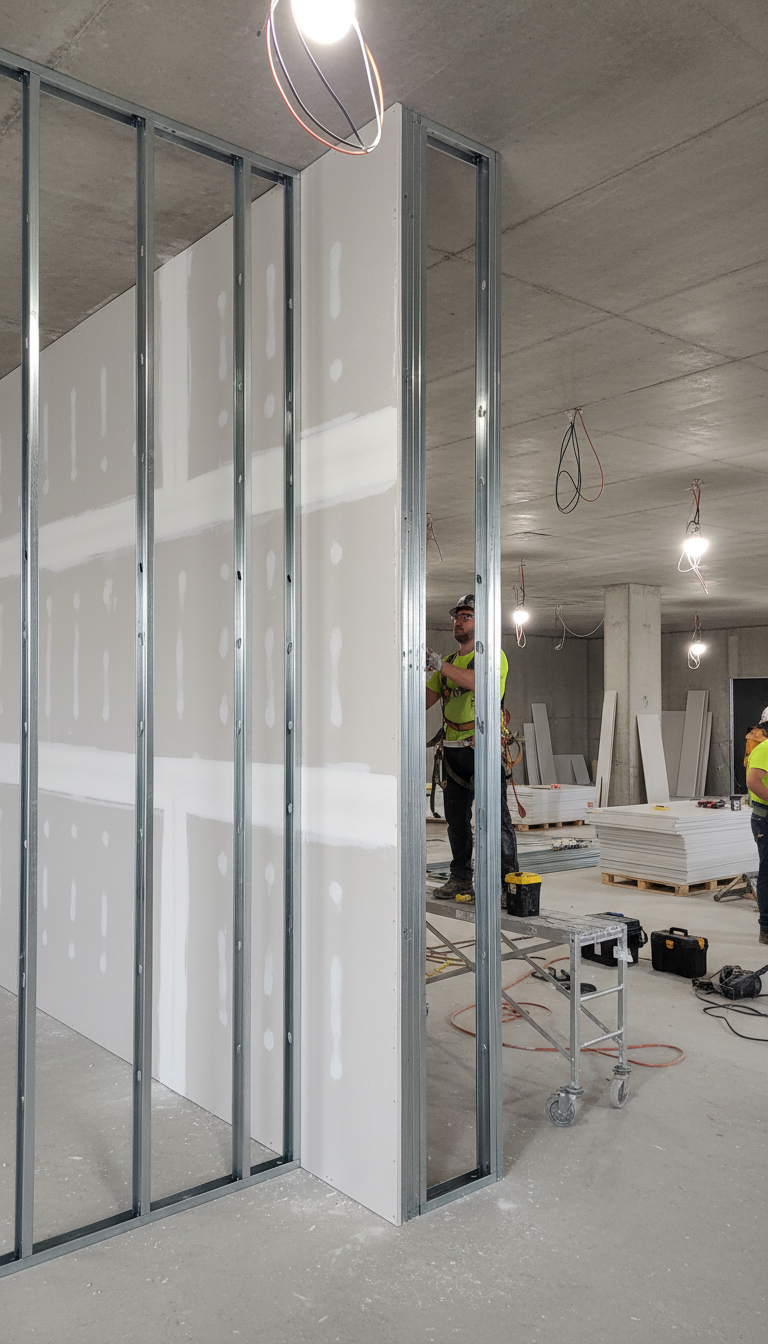
Before starting a drywall installation, gather the necessary tools and materials. Here's a list to get you started:
- Drywall sheets: Choose the right size and thickness for your project.
- Joint compound: Essential for smoothing seams and covering screws.
- Taping knives: Used for applying joint compound.
- Drywall screws: Ensure you have enough to secure each panel.
- Utility knife: For cutting drywall sheets to size.
Having these tools on hand will streamline your installation process and help you avoid unnecessary delays.
Preparing the Work Area
Preparation is key to a successful drywall installation. Start by clearing the area of any obstacles. This includes removing furniture and ensuring the walls are free of old nails or screws. It's also wise to lay down protective coverings to keep floors clean and free from damage.

Step-by-Step Installation Process
Installing drywall involves several steps. Follow this guide for a smooth installation:
- Measure and cut: Measure the walls and cut the drywall sheets to fit.
- Secure the sheets: Use a drill to fasten the drywall sheets to the studs with screws.
- Tape the seams: Apply joint tape over the seams between sheets.
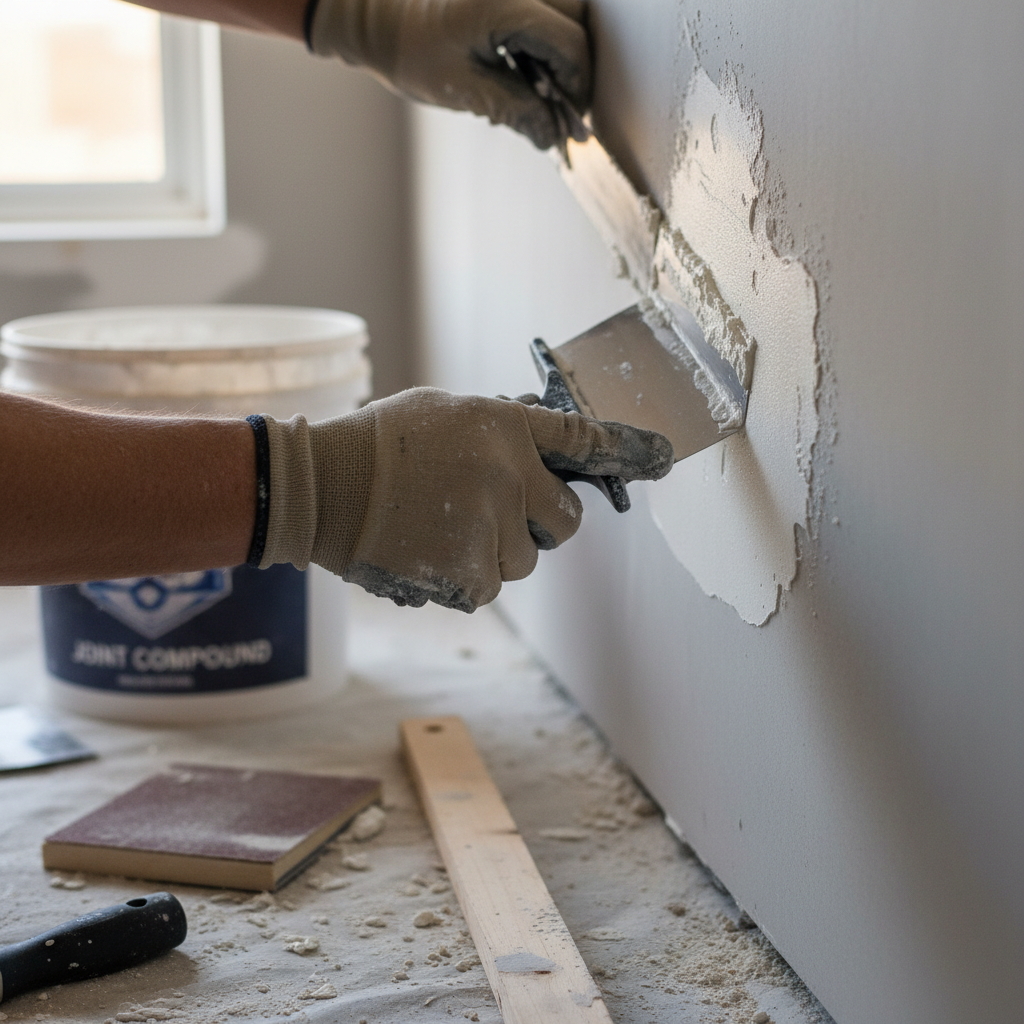
- Apply joint compound: Use a taping knife to apply joint compound over the tape and screw holes.
- Sand and finish: Once the compound is dry, sand the surface smooth for painting or wallpapering.
Tips for a Professional Finish
Achieving a smooth, professional finish requires patience and attention to detail. Here are some expert tips:
- Avoid over-sanding, which can damage the drywall surface.
- Apply multiple thin coats of joint compound rather than one thick coat.
- Use a bright light to spot imperfections during the sanding process.
Common Mistakes to Avoid
Even experienced DIY enthusiasts can make mistakes when installing drywall. Avoid these common pitfalls:
- Using the wrong thickness of drywall for your project.
- Failing to stagger seams, which can weaken the wall structure.
- Neglecting to properly sand and smooth the joint compound.

When to Call a Professional
While drywall installation can be a rewarding DIY project, some situations may require professional help. Consider hiring a contractor if:
- The project involves multiple rooms or large spaces.
- You encounter complex architectural features or curved walls.
- There are time constraints or a need for a quick turnaround.
Conclusion
Drywall installation in Minneapolis can be manageable and even enjoyable with the right preparation and tools. Whether you’re a DIY enthusiast or prefer to leave it to the professionals, understanding the process ensures a successful outcome. With patience and attention to detail, you’ll achieve walls and ceilings that are ready for finishing touches and use.