
Myth-Busting: Common Misconceptions About Interior Painting


Myth-Busting: Common Misconceptions About Interior Painting
Interior painting is often seen as a straightforward task. However, various myths and misconceptions can lead to confusion or poor results. Let's tackle these myths to make your next painting project more successful.

Myth 1: All Paints Are the Same
One common misconception is that all paints are created equal. In reality, there are significant differences in quality, finish, and composition. Choosing the right paint involves considering factors like durability, coverage, and the specific needs of your space. Investing in high-quality paint can save you time and money in the long run.
Paints come in various finishes such as matte, satin, and gloss. Each finish serves a different purpose, affecting the overall look and feel of a room. Understanding these differences can help you make more informed decisions.
Myth 2: Dark Colors Make a Room Look Smaller
It's a widely held belief that dark colors will shrink a room's appearance. While it's true that dark shades can absorb light, they can also add depth and character. When used correctly, dark colors can create a cozy and inviting atmosphere. Pairing them with strategic lighting and lighter accents can balance the space effectively.

Furthermore, using dark colors on one accent wall can highlight architectural features and add drama without overwhelming the room.
Myth 3: You Don't Need Primer
Skipping primer is a mistake that can result in uneven paint application and reduced longevity. Primer helps to seal the surface, providing a stable base for the paint to adhere to. This ensures even coverage and enhances the final appearance.
Using a primer is especially important when transitioning from a dark color to a lighter one, or when painting over new drywall. It can also help in covering stains and preventing them from bleeding through the paint.

Myth 4: Painting Is a One-Day Job
Many people underestimate the time it takes to properly paint a room. Preparation is key, including cleaning surfaces, repairing imperfections, and masking areas that shouldn't be painted. These steps are crucial for achieving a professional-looking finish.
Allowing sufficient drying time between coats is also necessary. Rushing the process can lead to streaks and uneven coverage. Patience and planning are essential components of a successful painting project.
Myth 5: You Can Use Any Brush or Roller
The tools you use can significantly impact the outcome of your painting project. Different brushes and rollers are designed for specific types of paint and surfaces. Using the wrong tool can lead to frustration and subpar results.
Investing in quality brushes and rollers designed for your specific project can make a noticeable difference. Consider the texture, surface, and type of paint when selecting your tools to ensure a smooth application.
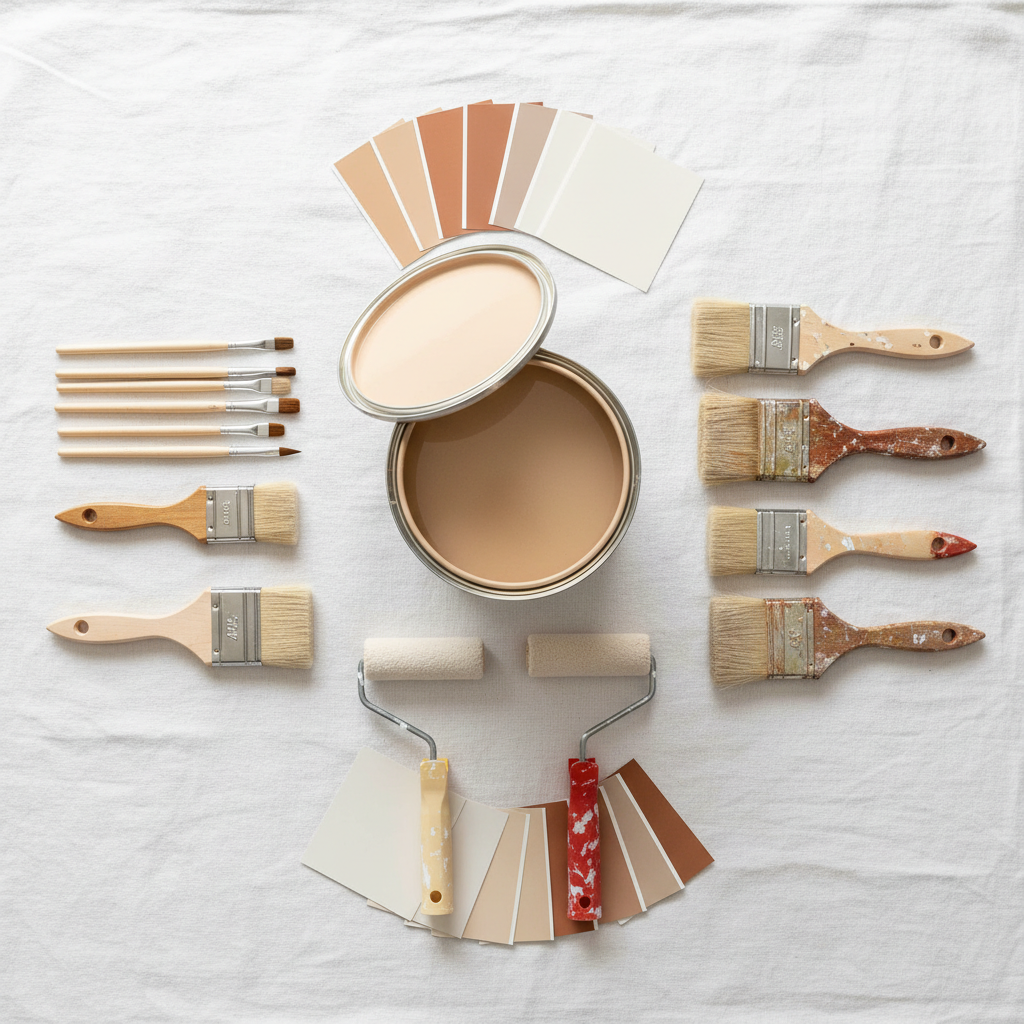
By debunking these common myths, you can approach your next interior painting project with confidence and clarity. Understanding the nuances of painting can lead to more satisfying and lasting results, transforming your space into the haven you envision.