
Myth-Busting: Common Misconceptions About Drywall Installation


What is Drywall?
Drywall, also known as plasterboard or wallboard, is a popular construction material used to create walls and ceilings. It's made from a gypsum core pressed between two sheets of paper. Despite its widespread use, several misconceptions surround drywall installation, leading to confusion among homeowners and DIY enthusiasts.
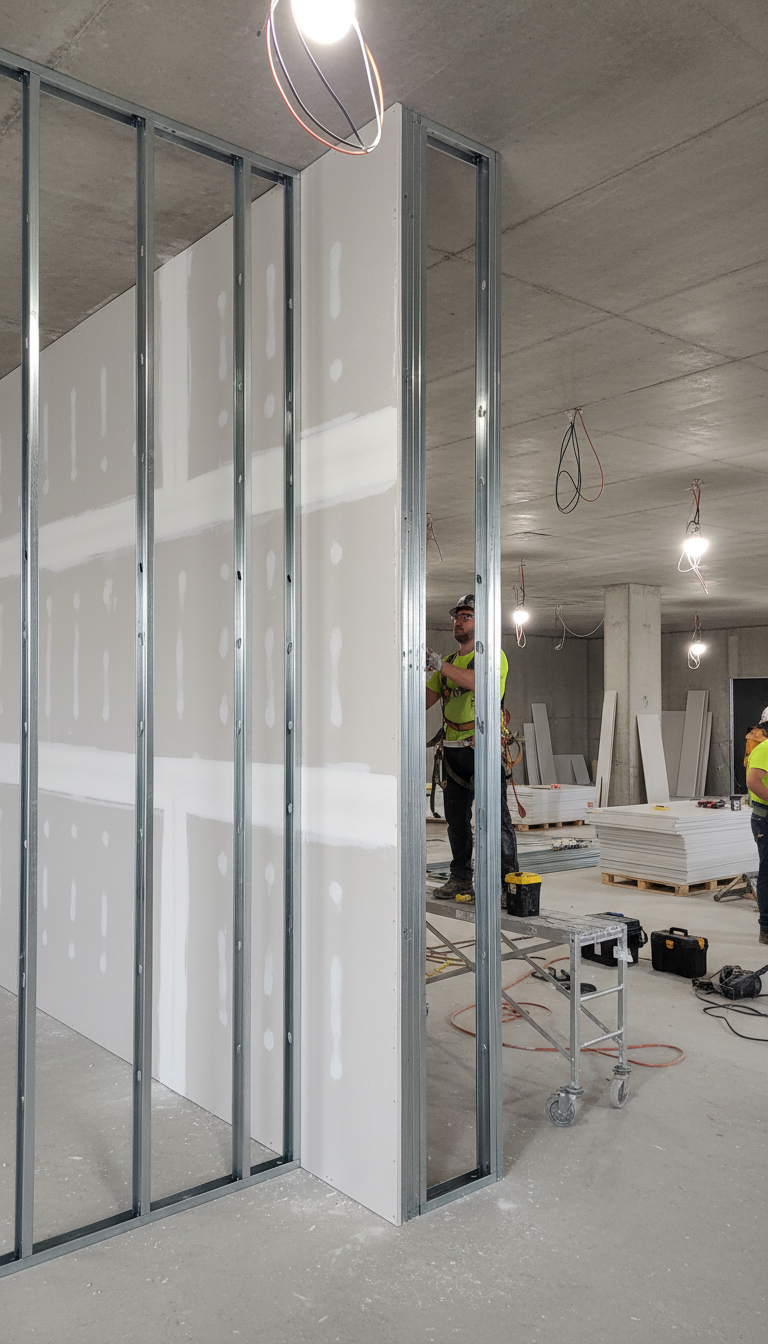
Myth 1: Drywall Installation is Easy
One of the most common misconceptions is that drywall installation is a simple task. While it may seem straightforward, proper installation requires skill and experience. Mistakes can lead to uneven surfaces, visible seams, and even structural issues. Hiring a professional ensures that the job is done correctly and efficiently.
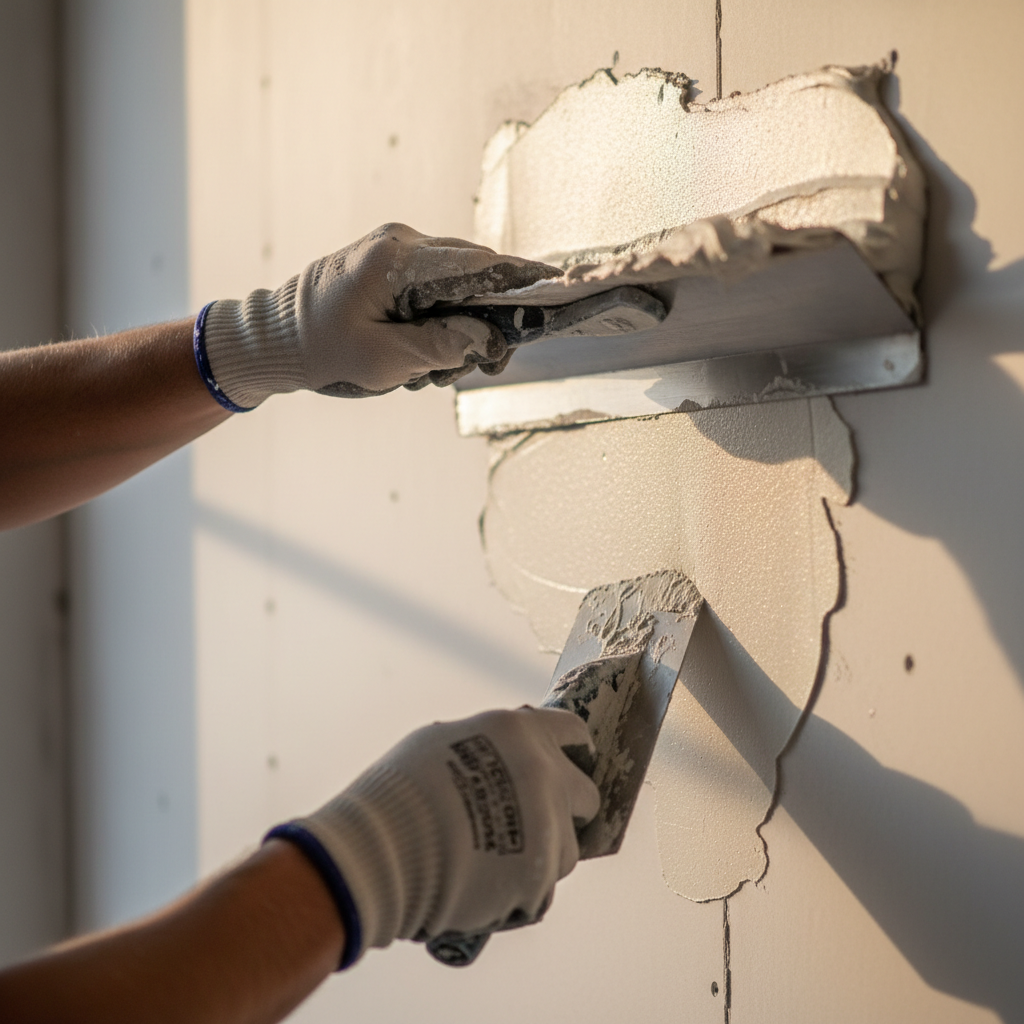
For those attempting a DIY project, it's essential to understand the tools and techniques involved, such as taping, mudding, and sanding. Without the right expertise, achieving a smooth and flawless finish can be quite challenging.
Myth 2: Any Drywall Can Be Used in Any Room
Not all drywall is created equal. Different types are designed for specific environments. For example, moisture-resistant drywall is crucial for areas like bathrooms and kitchens to prevent mold and mildew growth. Using the wrong type of drywall can lead to costly repairs and health hazards.
Fire-resistant drywall is another specialized type used in areas that require additional safety measures, such as garages. Understanding the right type of drywall for each room is vital for both durability and safety.
Myth 3: Painting Over Drywall is Enough
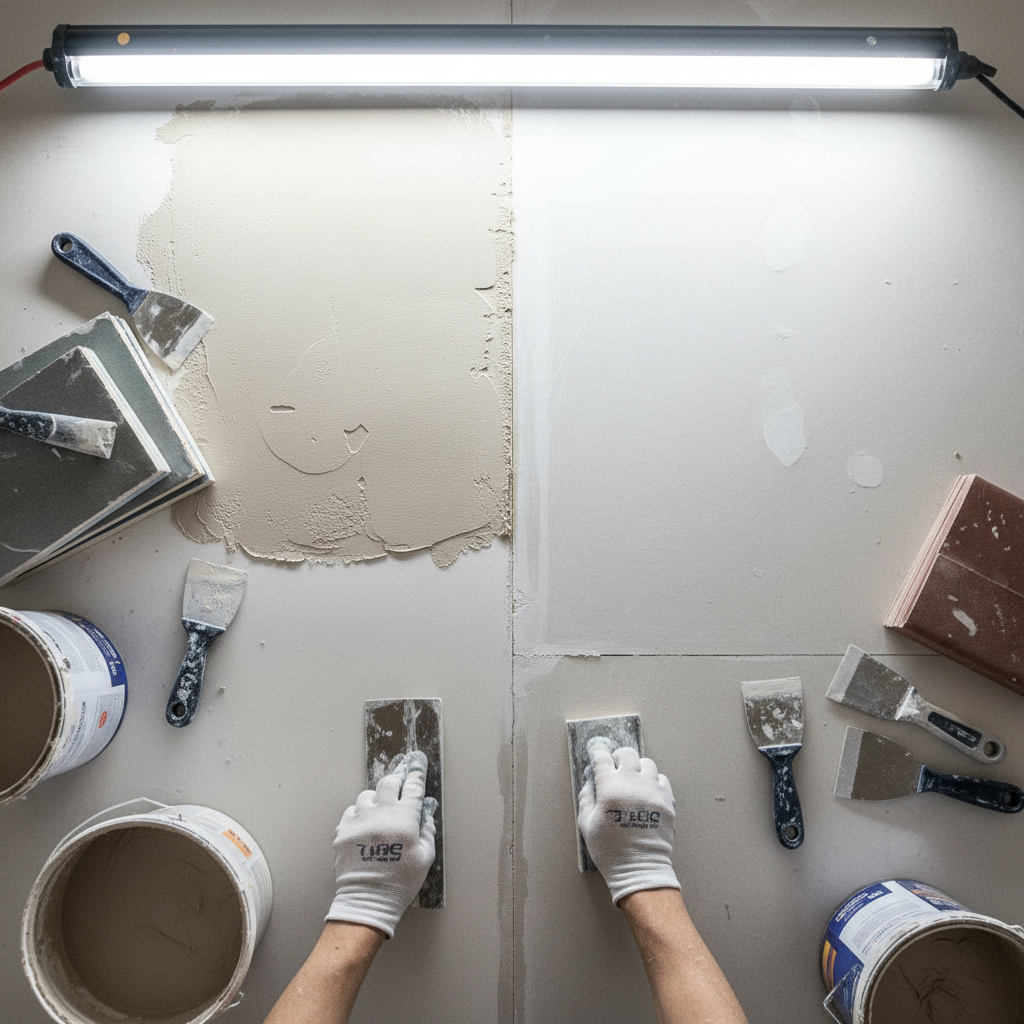
Some believe that painting over drywall will suffice for a finished look. However, painting should only occur after proper preparation, which includes joint compound application and sanding. Skipping these steps can result in a poorly finished wall with visible imperfections.
It's also important to use a primer before painting to ensure even color distribution and enhance the paint's adherence to the drywall surface.
Myth 4: Drywall is Not Durable
Another myth is that drywall is not a durable material. In reality, when installed and maintained correctly, drywall can last for decades. It's resistant to cracking and damage from everyday wear and tear. Additionally, advancements in drywall technology have improved its strength and resilience.
Choosing the right thickness and type for specific applications further enhances its durability. Regular maintenance and timely repairs will extend the lifespan of drywall in any home.
Conclusion
Understanding these common misconceptions about drywall installation can save time, money, and frustration. Whether you're tackling a DIY project or hiring a professional, being informed about the nuances of drywall can lead to better decision-making and superior results.