
Case Study: Transforming a Minneapolis Home with Eco-Friendly Renovation


Introduction to Eco-Friendly Renovation
In recent years, the trend towards sustainability has gained significant momentum, especially in home renovations. Homeowners are increasingly seeking to reduce their carbon footprint while enhancing the beauty and functionality of their spaces. This case study explores a remarkable eco-friendly renovation of a Minneapolis home, showcasing how sustainable practices can transform a living environment.
By focusing on renewable materials, energy efficiency, and waste reduction, the renovation not only revitalized the home but also set a benchmark for sustainable living. Let's dive into the specifics of this transformative project.

Planning and Strategy
The renovation process began with a meticulous planning phase. The homeowners collaborated with eco-conscious architects and designers to ensure that every aspect of the project aligned with their sustainability goals. The primary objectives were to enhance energy efficiency, utilize sustainable materials, and minimize waste.
Key strategies included the installation of solar panels, the use of recycled and locally sourced materials, and the integration of energy-efficient appliances. These decisions played a crucial role in reducing the home's overall environmental impact.
Solar Energy Installation
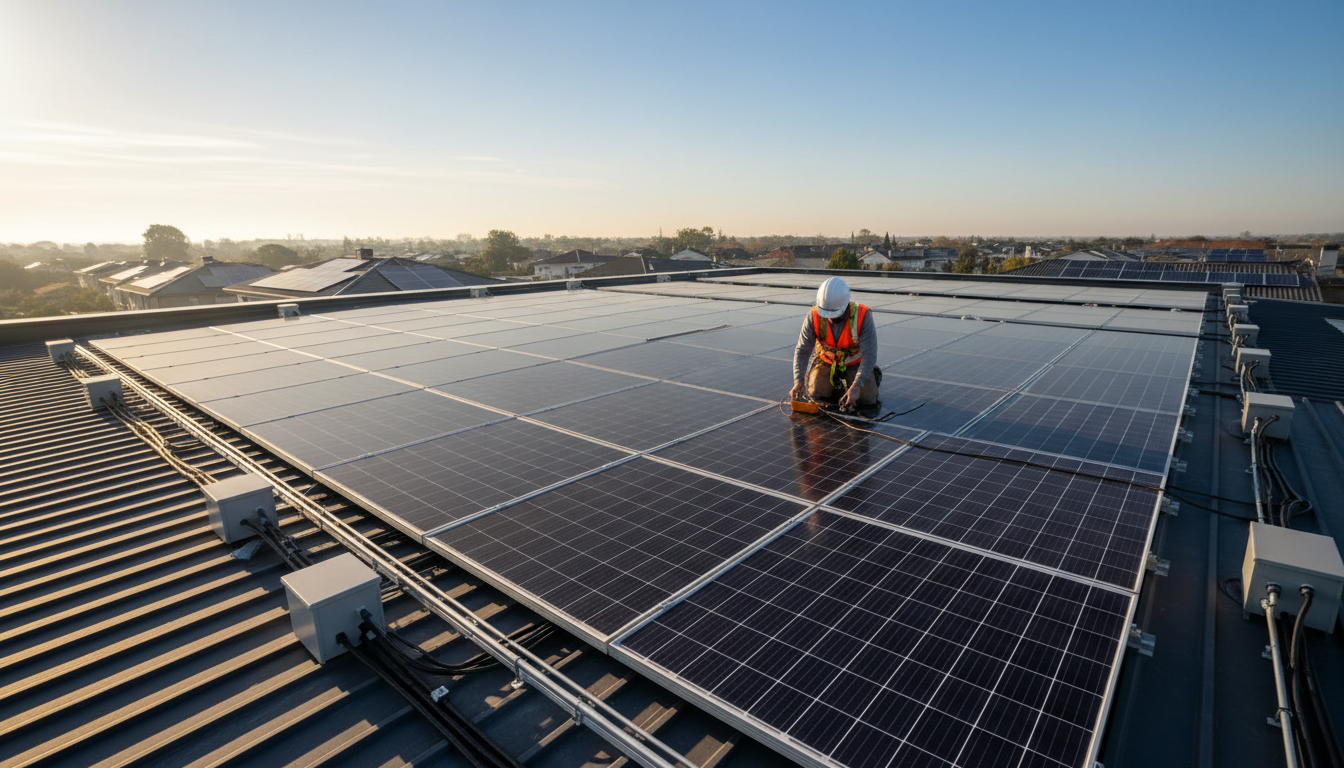
The addition of solar panels was a significant step in transforming the home. Not only did it provide a renewable energy source, but it also significantly lowered energy bills. The system was designed to meet the home's energy needs while allowing for the sale of excess power back to the grid.
Incorporating Sustainable Materials
Choosing the right materials was vital in achieving an eco-friendly renovation. The project utilized reclaimed wood, bamboo flooring, and recycled glass tiles to create a unique and sustainable aesthetic. These materials not only reduced the demand for new resources but also added character and charm to the home.
Additionally, low-VOC paints and finishes were chosen to improve indoor air quality, ensuring a healthier living environment for the residents.
Efficient Water Management
Water conservation was another critical focus area. The home was equipped with low-flow fixtures, rainwater harvesting systems, and drought-resistant landscaping. These measures helped reduce water usage and contributed to the overall sustainability of the property.

Waste Reduction and Recycling
Throughout the renovation, minimizing waste was a top priority. Reusable materials from the original structure were carefully salvaged and repurposed. The project also emphasized recycling construction waste, diverting a significant portion of debris from landfills.
These efforts not only reduced environmental impact but also demonstrated a commitment to responsible building practices.
Community and Environmental Impact
The successful completion of this eco-friendly renovation has inspired other homeowners in the Minneapolis area to consider sustainable options. By showcasing the benefits of green building practices, this project has contributed to a broader movement towards environmentally responsible living.
In conclusion, this case study highlights the potential for eco-friendly renovations to transform homes into sustainable havens. By adopting renewable energy, sustainable materials, and waste reduction strategies, homeowners can significantly reduce their environmental impact while enjoying a beautiful and functional space.